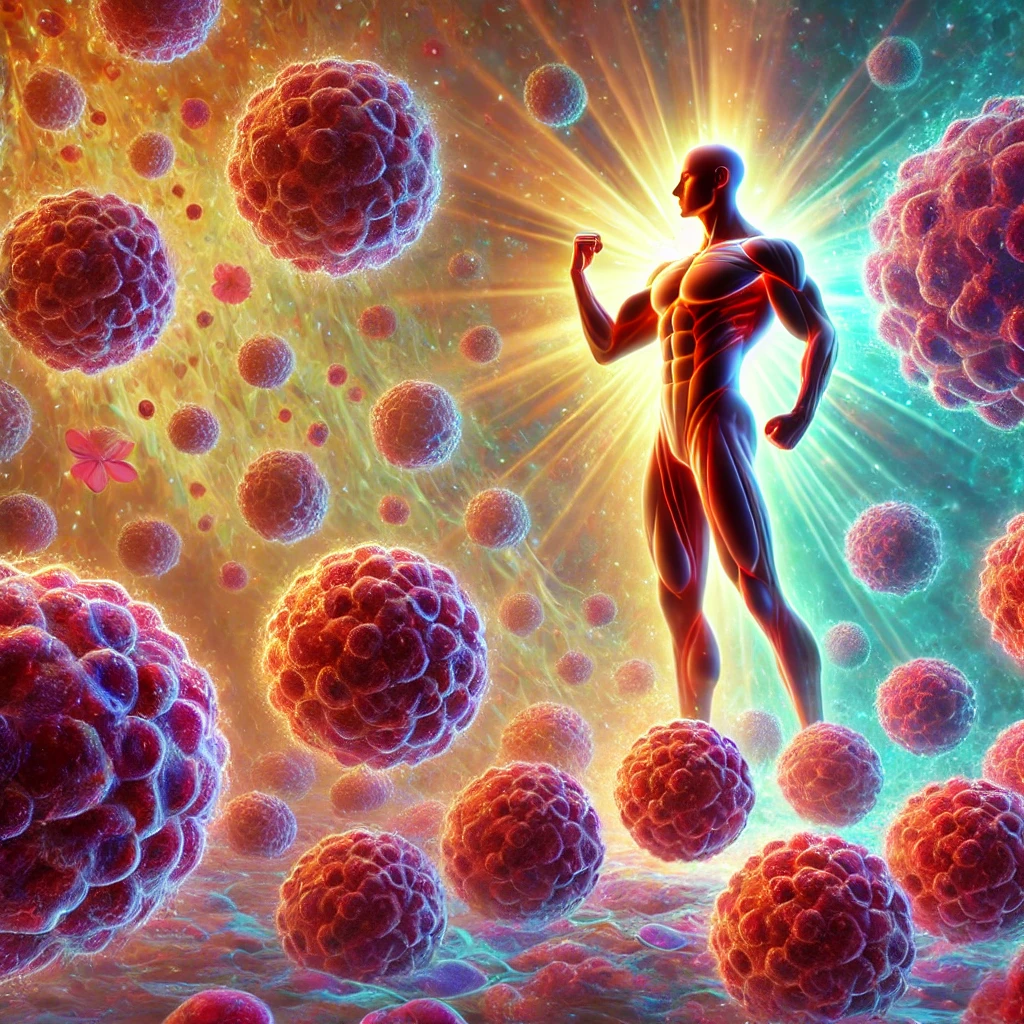


Imagine if some of the cells in our immune system, instead of fighting cancer, ended up helping it grow. It may sound counterintuitive, but this is exactly what can happen in certain contexts.
A recent study conducted at Karolinska Institutet has revealed that natural killer (NK) cells, normally known for their ability to eliminate tumor cells, can take on a completely different role within the tumor. Under specific conditions, these cells not only stop attacking cancer but actively contribute to creating an environment that supports its growth.
NK cells are often described as the “soldiers” of the immune system, tasked with identifying and destroying infected or malignant cells. However, when they meet tumors, these cells can be “reprogrammed.” Instead of attacking, they begin to release specific molecules, particularly interleukin-6 (IL-6), which alters the behavior of other immune cells.
This signal triggers a chain reaction. Myeloid cells, which are normally involved in protecting the body, are transformed into suppressive cells known as myeloid-derived suppressor cells (MDSCs). These cells act as powerful “brakes” on the immune system, preventing T cells, essential for eliminating tumors, from performing their function.
In essence, the tumor exploits NK cells to build a sort of “immune shield” around itself. This protective environment makes it more difficult for the immune system to recognize and destroy cancer cells, thereby promoting tumor growth and spread.
The study also demonstrated that this process depends on a specific signaling pathway known as the IL-6/STAT3 axis. By blocking this pathway, researchers were able to reduce immunosuppression and partially restore the immune system’s ability to attack the tumor.
These findings reshape how we think about the role of NK cells in cancer. They are not always allies in certain contexts in fact they can become accomplices of the disease. Understanding this mechanism opens new therapeutic possibilities, suggesting that combining immunotherapy with drugs targeting IL-6 or STAT3 could improve treatment outcomes, restoring the NK cells function.
In a field where immunotherapy is revolutionizing cancer care, uncovering when and how the immune system is “misled” represents a crucial step toward more effective and precise therapies.
Reference:
Neo, S. Y., et al. Tumor-associated NK cells drive MDSC-mediated tumor immune tolerance through the IL-6/STAT3 axis. Science Translational Medicine 16, eadi2952 (2024).